2nd Sep 2026
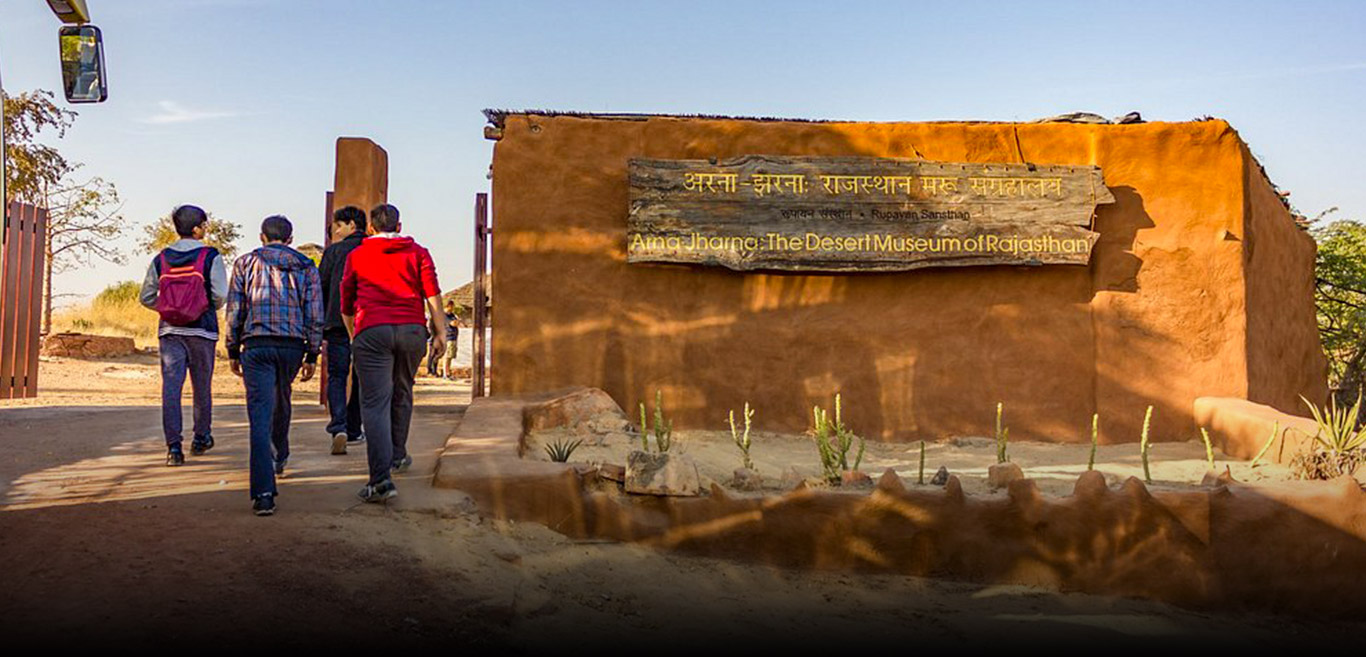
Next time you are in Jodhpur, do take time out to explore another one of Rajasthan’s open-air museums. While most of us are familiar with Shekhavati…often spoken of as an open-air art gallery/ art museum, another aspect of Rajasthan’s culture, showcased at the Arna Jharna – The Desert Museum, near Jodhpur definitely needs to be explored.
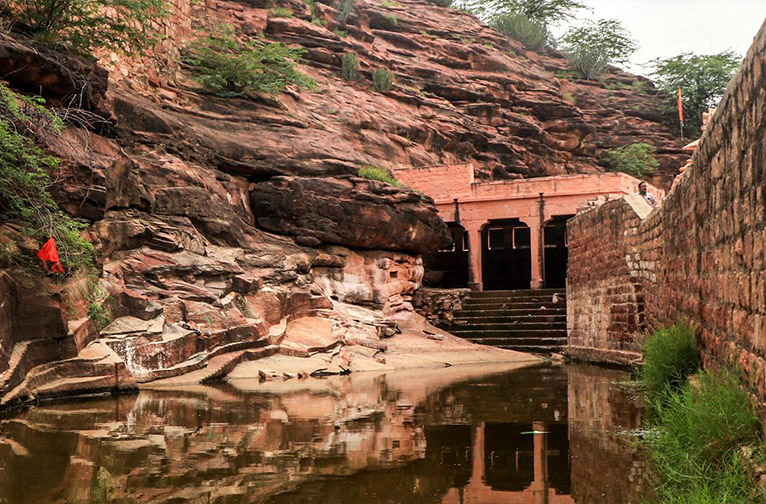
Located close to the Arneshwar Mahadeva Temple, a site associated with the legendary healing powers of spring water, the museum offers an opportunity to also explore the historic significance of its surrounds, including Raimal Talaab, a traditional rainwater reservoir, now known as Raimal Nada.
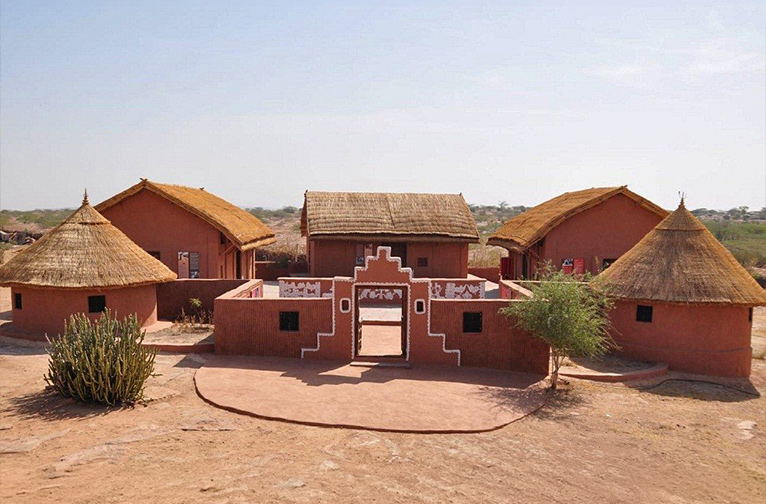
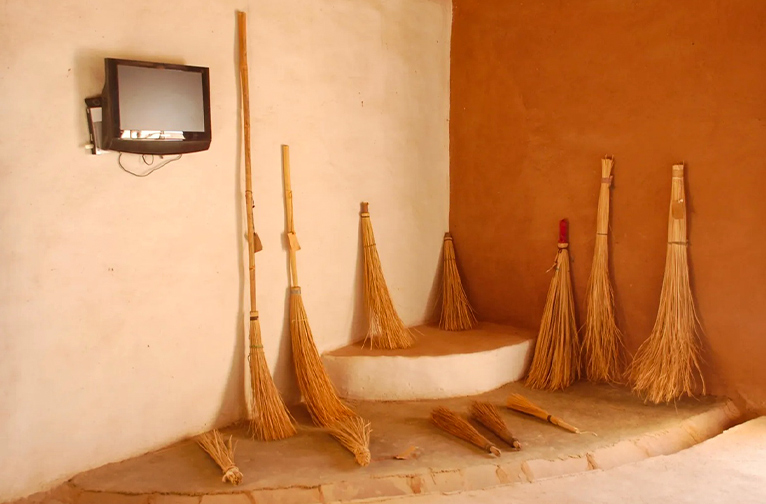
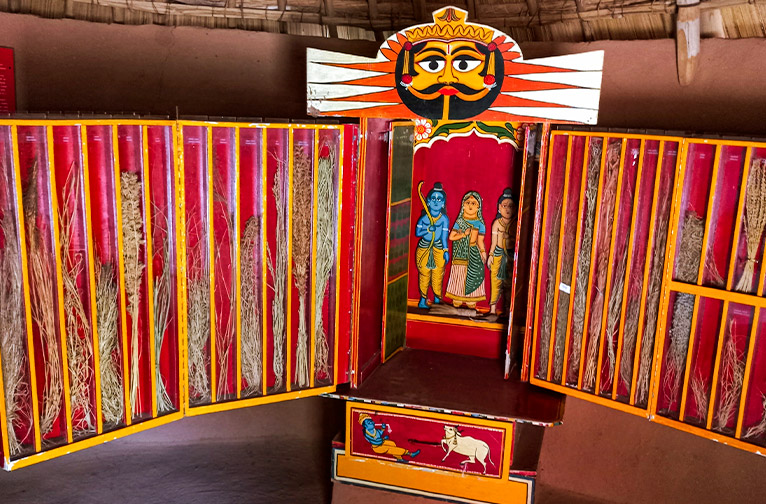
An initiative founded by the legendary folklorist and oral historian Komal Kothari, the Arna Jharna – The Desert Museum offers a beautiful introduction to Rajasthan’s rural life, traditional knowledge, crafts, and ecology. A star attraction here is the famous Broom Exhibition which puts the spotlight on the deep connection between everyday tools, culture, and the environment.
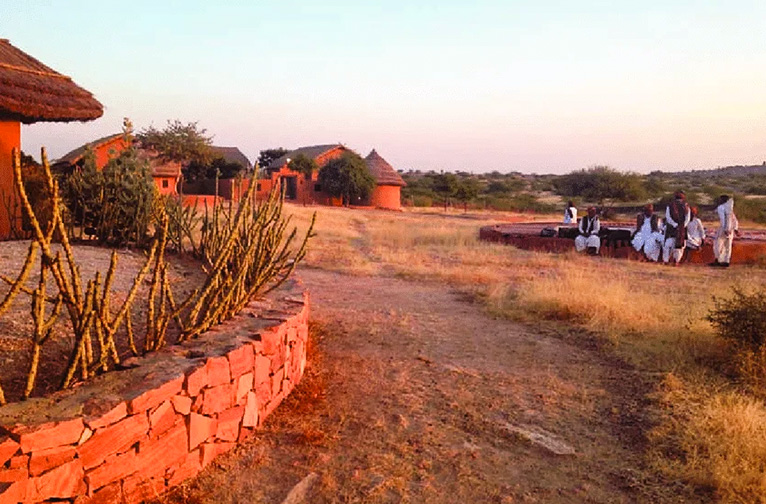
What was once an abandoned sandstone mine surrounded by harsh, arid land has been transformed into a lively spot, bringing life and nurturing to the area. The mine’s ecological restoration was led by much thought and careful water harvesting. The repurposed crater of the mine now serves as a tranquil waterbody and has quickly become a nesting ground for the resident birds in the area, including the peacock, Rajasthan’s state bird. The soil too was nurtured with care and consideration to be able to sustain a rich biodiversity of indigenous desert flora – grasses, cacti, and resilient trees such as the khejri, ker, ber, rohira, and kumbat.
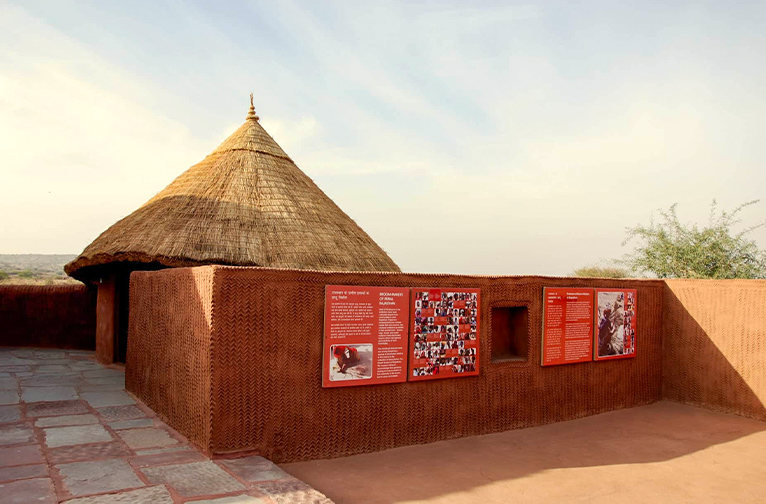
What will delight you about the museum is that it moves way beyond confining walls to embrace the region’s ecology – its land, flora, fauna, and communities, which are an intrinsic part of its living exhibits. Each element of this ecosystem forms part of the museum’s living classroom, where biodiversity, geology, and water conservation are woven into the visitor’s learning experience.
Two guiding principles that define the museum’s approach to culture and learning: The first is A Laboratory of the Ordinary, illustrating that the museum is a living space of exploration, examining the everyday objects and practices that sustain life in the desert; the other is The Folk is Contemporary, meaning, traditional communities are not relics of the past; they are part of a dynamic, evolving present, adapting their knowledge systems to modern contexts. Guided by Komal Kothari’s vision, the museum is a vibrant reminder to us that culture is not a thing of the past, but a way of understanding and sustaining life in the present.
Stone carvings near the museum’s boundary wall appear to signify the tale of a feud between a Rajpurohit brother and sister, Rai and Mal, over the ownership of the reservoir. Dated between 1449 and 1503 AD, these engravings root the museum within a landscape where memory, belief, and ecology intertwine.
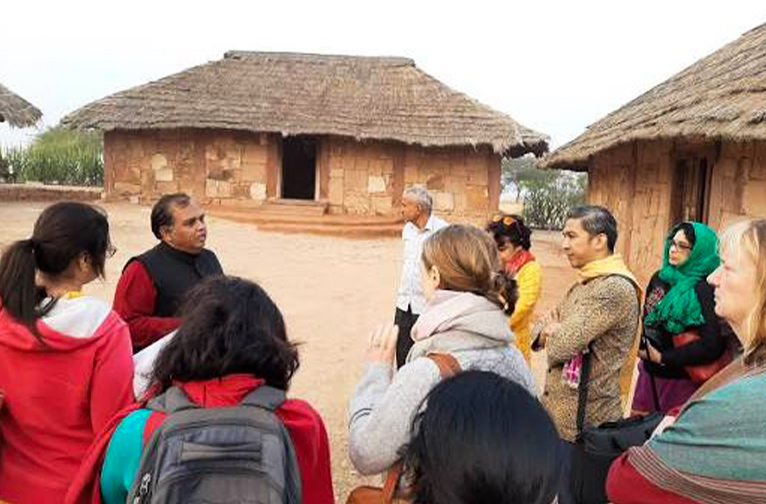
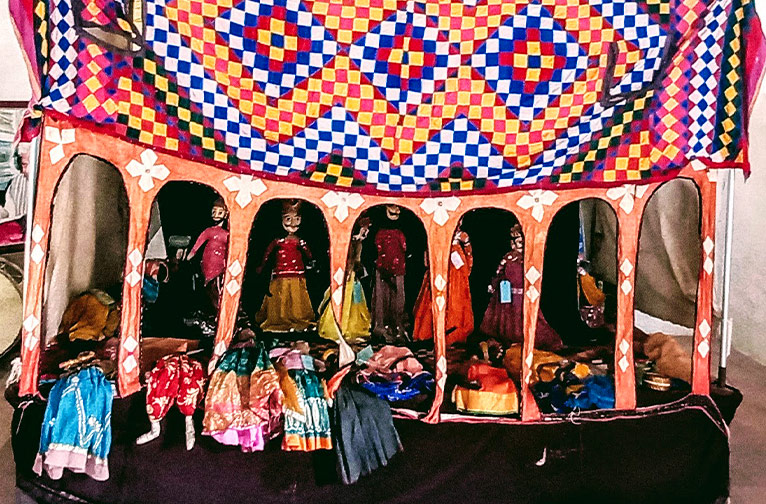
One can enjoy a wonderful participatory experience in some of the hands-on workshops that bring Rajasthan’s folk knowledge to life. The slew of activities organized for groups students and culture buffs includes Pottery workshop, Puppet show, Tie and dye session, Cultural festival and folk performances etc. Each experience is designed to be personal, grounded, and respectful of local communities.