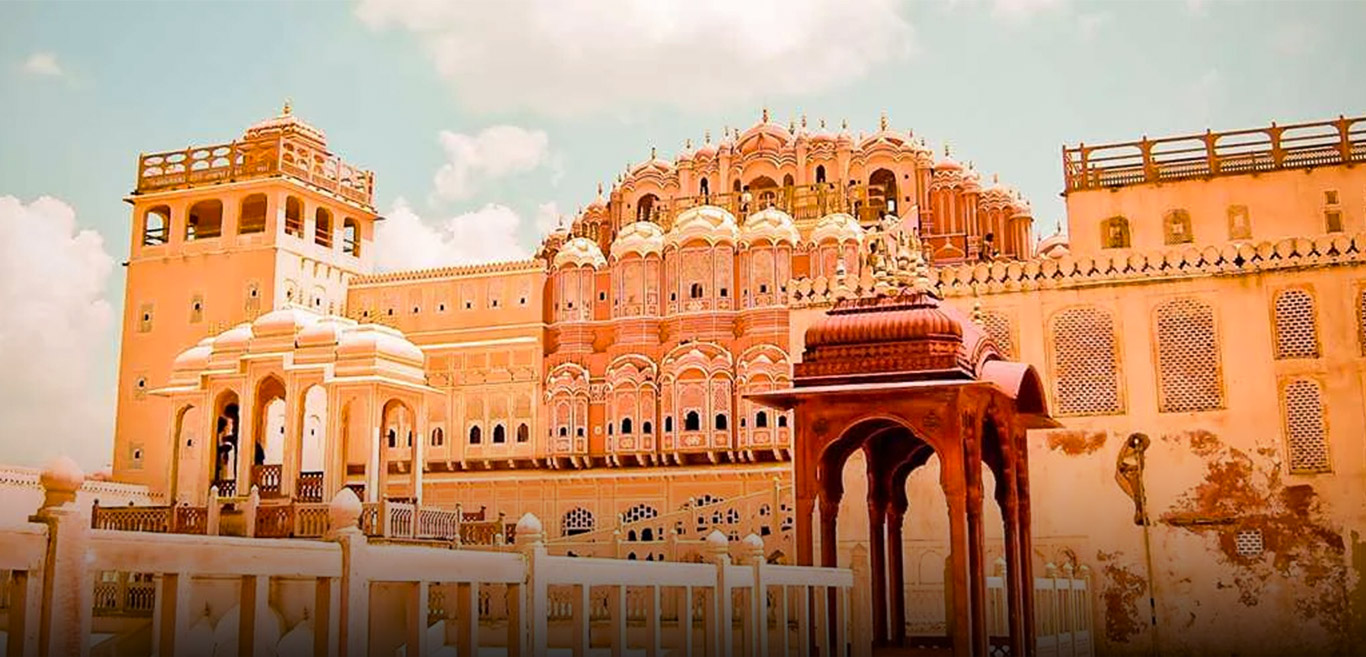
The artisanal spendour of Rajasthan has long gilded the rich legacy of India’s crafting traditions and generational contributions. Propelled by the need to protect the Chattis Karkhanas (36 industries) of the early 18th century, marked for their superb artisanal outputs, heritage- conscious patrons, including the royals, are supporting the revival of old crafts.
Here’s a quick romp across the state to retrace some of magic of this fabulous heritage
JAIPUR
Nestling by eastern fringes of the Thar Desert Jaipur ‘Pink City” was the brainchild of by the Rajput Kachhawaha ruler, Maharaja Swai Jai Singh, built between 1727 and 1732 as an alternative to the old clan bastion of Amer, just a short distance away. It followed architectural tenets of the ancient science of Shilpshastra and Vaastu Shastra.
Dive into the fabulous collections of the Maharaja Swai Man Singh II Museum (City Palace), Jawahar Kala Kendra Museum, designed by Indian architect Charles Correa and the Jantar Mantar Observatory to peel back the layers of their architectural and artisanal offerings which go back several centuries
The Mughal Rajput architecture of the City Palace is but a magical drawbridge to sweep you back to centuries of artisanal expressions. The seven-tiered structure houses a grand museum filled with displays of gorgeous royal costumes, textiles, artisanal bric-a-brac, miniature paintings, beautifully embellished daggers and shields etc, and fiercely preserved manuscripts. Unmissable are the two massive vessels, believed to be the largest silver vessels in the world at 340 kg each. These were carted off all the way to England by Maharaja Sawai Madho Singh II to ensure he would only drink pure Ganga Jal from home during his visit.
Chandra Mahal, the private family wing is remarkable for the stunning frescos. The courtyard, Pritam Chowk, in the palace is marked by four gorgeously painted entryways, each representing a different season: Lotus Gate (summer), Leheriya Gate (spring) Peacock Gate (autumn) and Rose Gate (winter). Each of the gates also represent individual Hindu deities – Lord Vishnu, Shiv-Parvati, Lord Ganesha, and Goddess Devi. The private wing also features considerable examples of the beautiful, stenciled motifs and elegant archways from its heyday as an unapologetic royal house. At Pritam Niwas an unmissable highlight is The Blue Room. The spanking new Painting and Photography Museum features a marvelous collection of rare paintings, maps, books, and pictures.
At Amer Fort, the Sheesh Mahal, or Palace of Mirrors, is a shining example of aaina (mirror) work. Do pencil in side trips to Sanganer (16km) and Bagru (35km) in your plans to explore these fabled textile villages famed for their centuries-old block printing traditions
UDAIPUR
Located near Lake Pichola, and first built in 1559 by Maharana Udai Singh II, the City Palace witnessed several additions over a period of nearly 400 years by the Mewar royals. It offers visitors an excellent window to explore the variety of illustrative local styles and techniques in the region, be it the intricate carvings, detailed miniature paintings, stunning frescoes, mirror work, inlay work or jewel-toned glass windows, and The glorious palace complex, a poem of marble and granite, shines with timeless splendour as one explores the confection of courtyards, corridors, terraces, pavilions, hanging gardens, and beautiful balconies.
The royals were great patrons of the arts, and the city is blessed to still have so much of its artisanal wealth available for travelers to engage with this legacy across the 11 palaces which make up the complex. The Mor Chowk for example features three-dimensional mosaic peacocks marking the seasons of summer, winter, and monsoon. The early 20th century Darbar Hall catches your imagination with its chandeliers, paintings, and artifacts. At the Zenana Mahal (Queen’s Palace) you encounter a lovely array of vibrant frescoes. At the Chini Chitrashala is a glorious showcase of Chinese and Dutch porcelain. The Sheesh Mahal is another stunner. Another unmissable highlight is the Crystal Gallery with its unused bespoke collection of crystal furniture and artifacts.
The Shilpgram is an excellent spot in the city to watch firsthand artisans engaged in their generational crafts.
JAISALMER
Its position on the ancient caravan route, an offshoot of the fabled Silk Route network, shaped Jaisalmer’s artisanal traditions in many ways. The 12th century Jaisalmer Fort, built in the local golden sandstone by Bhatti Rajput chieftain Rawal Jaisal, is a riveting landmark in the desert sands of the Thar region. The architectural and decorative elements of the spectacular 19th century havelis, palaces and seven extensively carved Jain temples also hold centerstage here. Highlights here are the Patwon ki Haveli, Nathmalji’s Haveli and Salim Singh’s Haveli, Badal Nivas Palace, and the Sarvotttam Vilas Palace. At the 18th century Moti Mahal check out the floral paintings and beautifully carved doors.
BIKANER
The stunning Junagarh Fort is another landmark in Rajasthan’s desert lands, It was commissioned in 1586 by Raja Rai Singh. Not to be missed here is the gorgeous Anup Mahal (1631), embellished with richly decorated interiors and the Bikaner school of paintings. The Raj Tilak Mahal or coronation hall has blown away visitors with its raised plasterwork, gold leaf, lacquer and mirror work. At the Darbar Niwas check out the superb collection of royal costumes, and a fabulous throne carved from sandalwood throne. At the Lalgarh Palace, explore the offerings of the Shri Sadul Museum which include paintings, manuscripts, photographs, and artifacts, which serve as a window to the house of Bikaner’s opulent lifestyle and patronage of the arts.
Your journeys across Rajasthan will continue to enrich you with its wondrous artisanal legacy…be it in palaces or bazaars, ancient havelis or dedicated museums. This is but a small window to lure you to make your own special discoveries and capture unmissable memories to dwell on when you have shaken the dust off your travels when you are back home again.