9th Oct 2024
India’s new crop of textile designers is thrilling to the joys of innovation and intervention through cross-cultural opportunities.
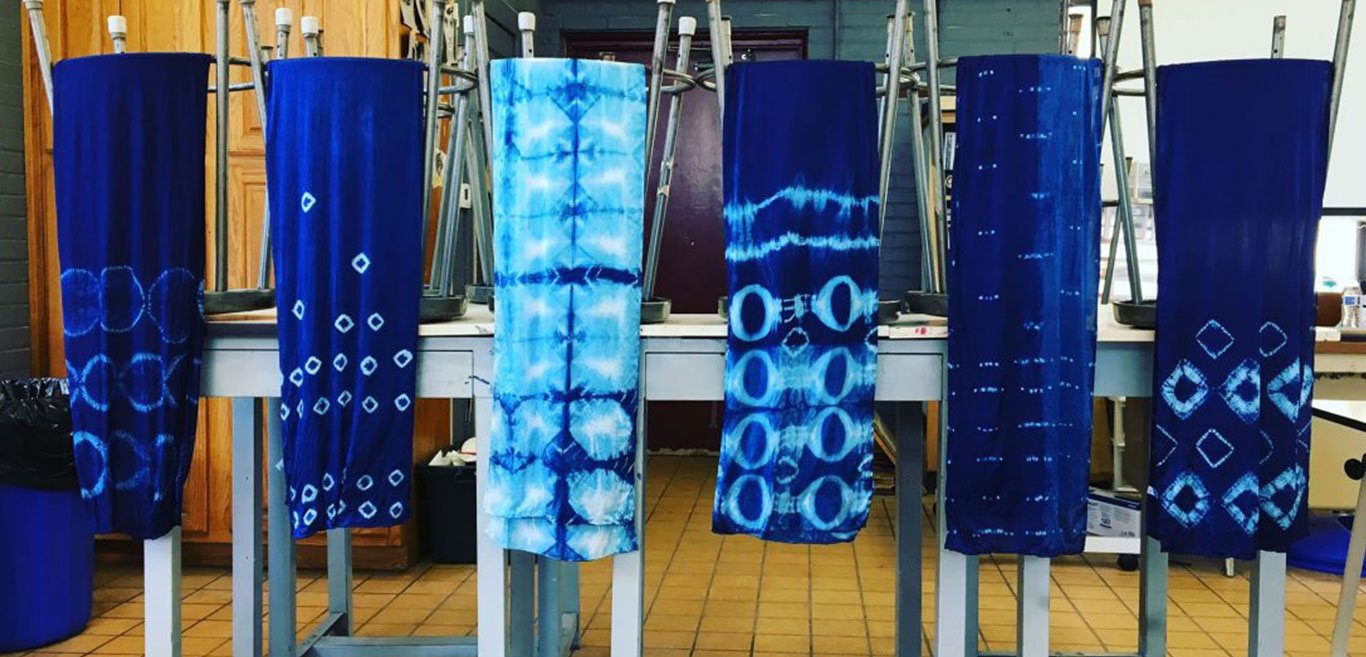
One of the most exciting adventures in this arena has been the foray of such intrepid designers who have looped into the ancient Japanese resist-dyeing technique of Shibori in textile design.
India herself has a formidable repertoire of textile design which has been reliant on the resist-dyeing technique for its beauty, longevity and high popularity. We have a centuries-old cherished history of “resist” dyeing techniques, which the common man or woman for that matter encounters as ikat and tie-dye fabrics— think Bandhej/Bandhani, Ajrakh and Ikat. From Sanganer and Bagru in Rajasthan to Sambalpur, Cuttack and Bargarh in Odisha, from Pochampalli in Telegana to Patan in Gujarat, skilled artisans have with their ancestral crafts left an indelible mark of India’s textile traditions.
As Ruchira Ghose, Former Director, Crafts Museum, New Delhi very succinctly describes it: “Resist Dyeing of cloth is patterning done by dyeing after sections of the cloth have been reserved. This can be achieved by two very different methods. The first involves some kind of manipulation of cloth - whether tying, stitching, folding or wrapping. The second is done with materials like wax or mud, which are applied to the cloth according to the design to restrict the absorption of colour. In more complex versions, the cloth is dyed in several colours in sequence, with different portions reserved each time, to produce a multi-coloured pattern.”
Ikat and tie-dye are fine examples of both these techniques, which require mechanical blocking of the dye plant-based through tying or binding the textile.
For the distinctive ikat format the threads are bunched together, tied in a certain way, and dyed, before being woven to create those beautifully complex patterns. Tie-and dye, involves sections of the finished fabric being tied up and then dyed. There are three main types of ikat – warp, weft, and double ikat.